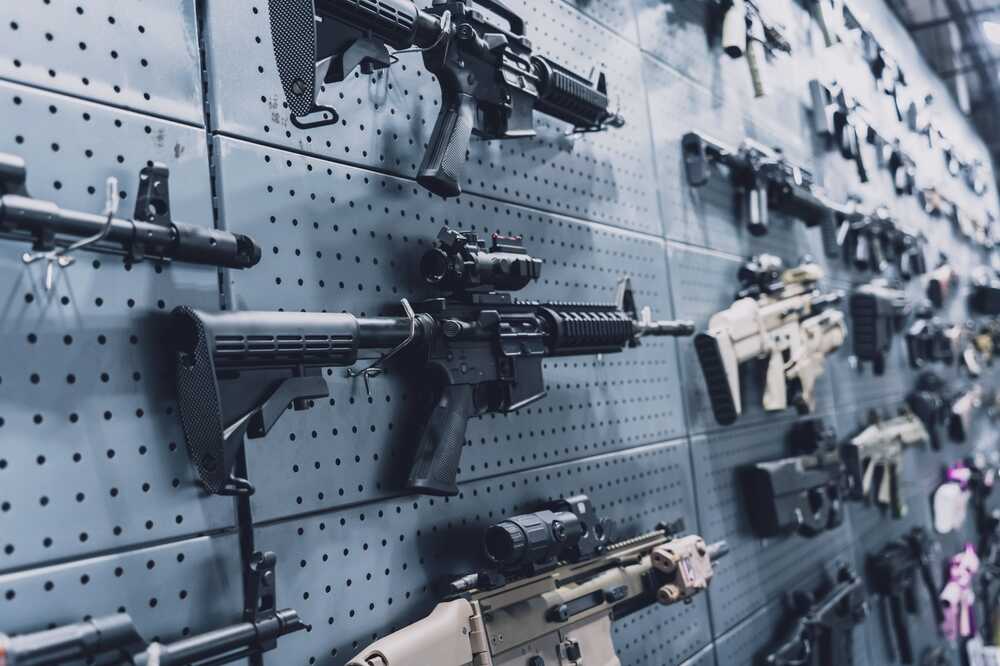
Virginia’s new assault-firearms law matters because it turns a political fight into a legal test of how far a state can go when it claims public safety.
Quick Take
- The Virginia General Assembly passed SB749 and HB217, and Governor Abigail Spanberger signed the measure into law [1][4].
- The law restricts the future sale, purchase, transfer, import, and manufacture of certain assault firearms and ammunition-feeding devices .
- Supporters call it a public-safety package; opponents call it an overreach that sweeps in common firearms and invites lawsuits [4][5].
- Existing owners keep what they already have, but the law still changes what Virginians can buy next [1].
What Virginia Actually Enacted
Virginia lawmakers did not merely float a talking point; they passed a statute with teeth. The enrolled House bill and companion Senate bill both describe a Class 1 misdemeanor for buying, selling, transferring, importing, or manufacturing assault firearms and certain ammunition-feeding devices . Reporting also says the measure cleared the legislature and reached the governor’s desk before she signed it [1][4].
The fine print matters because gun debates often hide in the definitions. The bill text establishes age restrictions for some purchases and creates specific penalties for prohibited conduct . That makes this more than symbolic legislation. It is a direct regulatory line drawn around future transactions, which is exactly why supporters present it as a safety measure and opponents treat it as a constitutional line in the sand [5].
Why Supporters Call It a Safety Law
Backers frame the law as part of a broader gun-safety package, not a one-off stunt. Moms Demand Action described the Virginia package as a historic set of measures that included an assault-weapons ban, protections for domestic violence survivors, a ghost guns ban, and industry accountability provisions [5]. That language tells you how supporters think: they want the bill judged by the harms they hope to prevent, not by the label opponents attach to it.
Governor Spanberger’s stated rationale, as reported in contemporaneous coverage, tied the signing to protecting families and supporting law enforcement officers [1]. That argument lands best with readers who still believe government should protect decent people first and ask questions later. The law also keeps existing owners from being forced to surrender firearms they already possessed, which gives supporters a ready answer when critics cry confiscation [1].
Why Critics See a Familiar Pattern
Opponents do not need to invent a grievance; they have one built into the law’s structure. Virginia Citizens Defense League and other gun-rights voices point to feature-based definitions, magazine limits, and the sheer breadth of the restrictions as proof that the state is targeting ordinary ownership rather than criminal misuse [2]. That critique resonates with readers who distrust laws that punish the law-abiding while promising safety from the dangerous.
The immediate lawsuit response makes the political meaning even sharper. Reporting says major gun-rights organizations moved quickly after enactment, ensuring the statute would be fought in court as well as in the public square [1][4][6]. That matters because the legal fight is not a side note. Under modern Second Amendment doctrine, the court challenge may become the real arena where this policy lives or dies.
What the Law Leaves Unsettled
The strongest fact in favor of the law is simple: Virginia passed it. The weakest fact is equally simple: the provided record does not show Virginia-specific evidence proving this ban will reduce shootings or homicides [1][4][5]. That gap does not make the law invalid by itself, but it does expose the weak point in the public-safety pitch. Common sense asks what problem is being solved, and by how much.
🚨NEW: Virginia sheriffs in Amherst and Campbell counties raise concerns over the so-called “assault firearms” & high-capacity magazines ban that Gov. Spanberger signed into law: pic.twitter.com/PINGTDpdLj
— Virginia News Vanguard (@VaNewsVanguard) May 23, 2026
Another unresolved issue is scope. Secondary reporting describes the law in slightly different ways, which suggests the public is hearing broad slogans while the actual statute sits inside a thicket of definitions and exceptions [2][4]. The law exempts some antiques, inoperable firearms, and certain official uses, which shows lawmakers did not ban every gun. Even so, technical carve-outs rarely calm a fight over core rights. They usually just sharpen it.
Sources:
[1] YouTube – Virginia Just Banned Rifles Cops Still Carry In Their Patrol Cars
[2] Web – New Virginia Firearm Bans: Governor Spanberger Signs Sweeping …
[4] Web – What to know as “assault firearms” ban is signed into law; NRA sues
[5] Web – Virginia Makes History as General Assembly Sends Landmark Slate …
[6] YouTube – Assault weapons ban bill goes to Gov. Spanberger