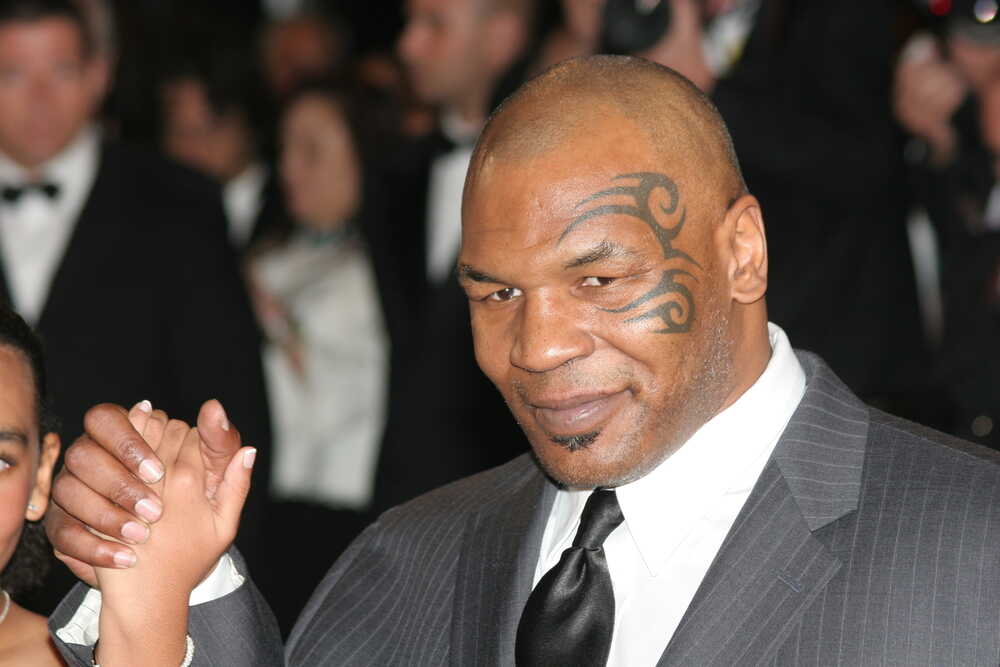
Boxing legend Mike Tyson’s controversial comeback at age 58 has sparked fierce debate about whether celebrity spectacle has replaced legitimate sport—and what one prominent legal expert said about it may surprise you.
Story Snapshot
- Mike Tyson previewed his Netflix-streamed fight against Jake Paul after medical delays on Greta Van Susteren’s show
- Attorney Alan Dershowitz delivered commentary following the Tyson interview, though specific verdict details remain unconfirmed
- The 58-year-old former champion’s return raises ethical questions about age disparities and exhibition boxing legitimacy
- Netflix’s streaming model disrupts traditional pay-per-view, potentially generating over $100 million in event revenue
Tyson’s Improbable Return to the Ring
Mike Tyson appeared on “The Record with Greta Van Susteren” to promote his Netflix-streamed fight against Jake Paul, originally scheduled for July but postponed due to a ulcer flare-up. The 58-year-old former undisputed heavyweight champion, who last fought four years ago, boldly declared himself “the greatest fighter since beginning of life” while previewing the Friday night bout. Tyson’s comeback also includes a potential spring fight against Floyd Mayweather and a one-man show titled “Return of the Mike” at Hard Rock, showcasing his multifaceted return to public life beyond just boxing.
Legal Expert Weighs In on Combat Sports Spectacle
Following the Tyson interview, attorney Alan Dershowitz—known for high-profile cases including O.J. Simpson and Trump impeachments—provided what was promoted as a “stunning verdict” on the segment. While the exact content of Dershowitz’s commentary remains unclear from available sources, the legal expert’s involvement suggests analysis of fight legitimacy, contractual liability, or ethical concerns surrounding combat sports between fighters with significant age disparities. This combination of raw athletic spectacle and intellectual legal analysis represents a unique format for Van Susteren’s platform, appealing to audiences concerned about both entertainment value and regulatory oversight.
Exhibition Boxing’s Growing Credibility Crisis
The Tyson-Paul matchup exemplifies a troubling trend where social media influencers and aging legends replace legitimate athletic competition with manufactured spectacle for streaming platforms. Paul, at 27, faces an opponent more than three decades his senior who required medical postponement—raising serious questions about athletic commissions sanctioning such events. Boxing purists recognize this dilutes the sport’s credibility while promoters prioritize revenue over fighter safety. The 2020 Tyson exhibition against Roy Jones Jr. drew 1.6 million viewers, proving financial viability despite compromising traditional competitive standards that once defined professional boxing.
Streaming Platforms Reshape Combat Sports Economics
Netflix’s involvement marks a significant shift from traditional pay-per-view models that have dominated boxing for decades. The streaming giant’s investment in this exhibition—potentially worth over $100 million in combined revenue—demonstrates how entertainment conglomerates now control combat sports distribution. Tyson reportedly earned $20 million-plus for the Paul fight, illustrating how celebrity draws eclipse purse structures based on legitimate competitive rankings. This economic transformation benefits platforms and individual fighters while potentially harming the broader sport’s integrity, as financial incentives now reward viral moments over athletic excellence and proper competitive matchmaking.
The convergence of aging athletic legends, social media influencers, and streaming platforms represents a concerning development for Americans who value merit-based competition over manufactured entertainment. Whether Dershowitz’s analysis addressed these fundamental questions about combat sports legitimacy remains unclear, but the broader trend suggests regulatory bodies have failed to protect athletes and fans from purely profit-driven spectacles masquerading as legitimate sporting events.