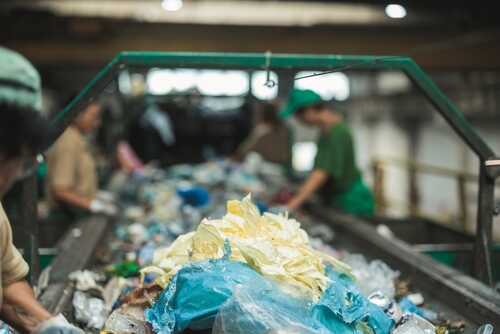
American scientists have cracked the code on eliminating plastic waste forever, delivering breakthrough chemical innovations that could finally end our nation’s dependence on recycling programs.
Story Highlights
- Multiple U.S. universities develop revolutionary plastic-destroying technologies using simple chemistry
- Northwestern University achieves 94% plastic recovery rate using only air moisture and reusable catalysts
- Rutgers scientists create programmable plastics that self-destruct on schedule without toxic chemicals
- New methods eliminate need for expensive, energy-intensive traditional recycling operations
American Innovation Leads Global Solution
Universities across America are pioneering multiple chemical approaches that render plastic waste obsolete through molecular-level interventions. Northwestern University researchers developed a method achieving 94% recovery of valuable materials from PET plastics using only molybdenum catalysts, activated carbon, and air moisture. The process works on mixed and colored plastics without requiring expensive sorting operations, while catalysts remain reusable without losing effectiveness. This represents a fundamental shift from mechanical recycling toward sophisticated American-led chemistry solutions.
Programmable Plastics Mimic Natural Systems
Rutgers University scientists published groundbreaking research in Nature Chemistry demonstrating plastics engineered to break down over programmable timeframes from days to years under everyday conditions. The team controls spatial arrangement of chemical groups within plastic structures through conformational preorganization, eliminating need for heat or harsh chemicals. Yuwei Gu’s research was inspired by observing plastic pollution in pristine environments, asking why natural polymers degrade while synthetic ones persist indefinitely.
A simple chemistry trick could end forever plastic
https://t.co/AaGQSH2IH1— Paul Quibell-smith 🔶 (@QuibellPaul) January 4, 2026
Economic Benefits for American Industry
These innovations create significant economic advantages for domestic recycling industries by processing mixed plastics and colored materials that traditional methods cannot handle efficiently. Northwestern’s method breaks down colored plastics into pure, colorless terephthalic acid, eliminating sorting costs and expanding feedstock options. Reusable catalysts reduce operational expenses compared to single-use chemical processes, while industrial-scale implementation potential addresses large waste volumes. The technology offers cleaner alternatives to energy-intensive traditional recycling requiring toxic solvents and expensive catalysts.
Carbon Dioxide Conversion Creates New Opportunities
Researchers developed catalysts enabling carbon dioxide conversion into plastic precursors, potentially revolutionizing petrochemical sectors by using waste CO₂ instead of fossil fuel feedstocks. Rutgers chemists created electrocatalysts containing nickel and phosphorus that combine water and CO₂ with electricity to produce complex carbon-containing molecules for plastics and pharmaceuticals. Charles Dismukes describes the process as “essentially artificial photosynthesis” with efficiency exceeding natural photosynthesis, turning environmental liability into valuable industrial feedstock.
These breakthrough technologies demonstrate American scientific leadership in solving global environmental challenges through practical innovation rather than costly government regulations. The research moves from laboratory success toward industrial implementation, with Northwestern and Rutgers teams planning to scale processes for commercial use while maintaining catalyst reusability and sustainable operation principles.
Watch;
Sources:
Finally, a way to recycle a notorious plastic into something useful
Simple method to break down plastic using air moisture
Turning carbon emissions into plastic
Scientists develop plastics that can break down, tackling pollution
Plastics that know when to disappear