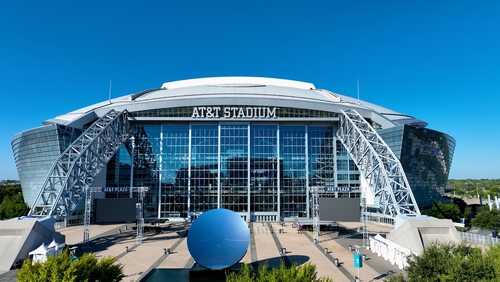
The temporary renaming of the Dallas Cowboys’ iconic AT&T Stadium to “Dallas Stadium” for the 2026 FIFA World Cup has sparked outrage among Arlington residents.
Story Highlights
- Arlington residents are upset over the temporary renaming of AT&T Stadium for the World Cup.
- The rebranding highlights tensions between global event branding and local pride.
- The stadium is undergoing a $295 million renovation to meet FIFA standards.
- Local officials face pressure to balance economic benefits with community values.
Arlington’s Outcry Against the Rebranding
Arlington residents are expressing strong opposition to the rebranding of their cherished AT&T Stadium to “Dallas Stadium” for the 2026 FIFA World Cup. This decision has ignited debates over local identity and the impact of international events on community heritage. The stadium, a symbol of Arlington’s economic and cultural growth since opening in 2009, holds significant emotional value for locals who feel this change undermines their connection to the Cowboys.
While the Dallas Cowboys organization supports the temporary rebranding, citing compliance with FIFA requirements, fans and locals have voiced their discontent. The rebranding is seen as an erasure of Arlington’s identity, sparking calls for the city to resist the change. This local resistance underscores the tension between global event branding and maintaining community pride, a common challenge when hosting major international events.
Watch:
The Economic and Cultural Impact
The decision to rename the stadium temporarily is part of a larger $295 million renovation project aimed at meeting FIFA’s standards, including reconfiguring seating and upgrading facilities. The economic benefits of hosting the World Cup are substantial, with expectations of increased tourism and revenue. However, the social cost of the name change remains a contentious issue, with concerns about setting a precedent for future events that may prioritize international branding over local heritage.
Local officials are tasked with balancing the economic opportunities presented by hosting the World Cup with the preservation of community values. The debate is further complicated by the potential long-term implications of allowing international events to override local branding, which could lead to cultural homogenization if not carefully managed.
Expert Insights on the Rebranding Controversy
Industry experts highlight that stadium rebranding for international events is not uncommon, but the emotional connection to the Cowboys makes this situation unique. Academic perspectives suggest that while such events can promote global engagement, preserving local identity is crucial to prevent cultural homogenization. Ultimately, how this situation is managed could have lasting impacts on Arlington’s sense of identity and community pride.
The controversy surrounding the rebranding of AT&T Stadium underscores the challenges and opportunities of hosting a global event like the FIFA World Cup. As Arlington navigates this complex issue, the broader community will be watching closely to see how the balance between economic growth and cultural preservation is maintained.
Sources:
Dallas Stadium Renaming Sparks Local Outrage
2026 FIFA World Cup Venue Requirements