

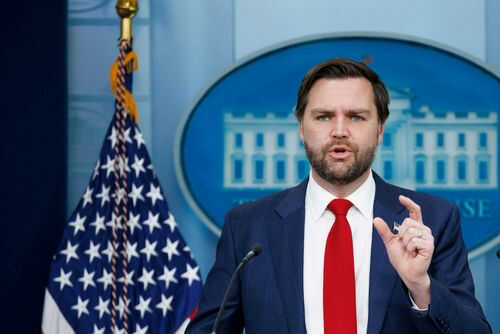
Vice President JD Vance jets to Pakistan for make-or-break peace talks with Iran, while President Trump ramps up threats, exposing the deep state’s endless foreign entanglements that drain American blood and treasure.
Story Snapshot
- U.S. Vice President JD Vance leads high-level direct talks with Iran in Islamabad, Pakistan—the highest since 1979—aiming to end a six-week war amid a fragile ceasefire.
- President Trump issues new threats and demands against Iran, directs Netanyahu to scale back Lebanon strikes, balancing strength with diplomacy.
- Iran’s delegation, led by Mohammad-Bagher Ghalibaf, demands ceasefire compliance and asset releases; U.S. warns against bad faith negotiations.
- Israeli strikes on Hezbollah in Lebanon have killed hundreds since ceasefire began, straining talks over Strait of Hormuz disputes and regional volatility.
Vance Leads U.S. Delegation to Islamabad
Vice President JD Vance departed for Pakistan on April 10, 2026, to spearhead direct peace negotiations with Iran. The talks target ending a war that erupted six weeks earlier after failed February discussions. Accompanied by Jared Kushner and envoy Steve Witkoff, Vance shifted from his pre-war anti-intervention stance to a firm negotiator role. Pakistan hosts as neutral ground amid volatility. Vance stated the team would not tolerate bad faith, signaling U.S. resolve to avoid prolonged distraction.
Fragile Ceasefire Strains Under Israeli Strikes
Israel conducted strikes in Lebanon earlier this week, targeting Hezbollah and killing hundreds since the ceasefire started. Plumes of smoke rose along the border as Vance departed. President Trump requested Prime Minister Benjamin Netanyahu scale back attacks to support talks. Netanyahu agreed and plans Lebanon negotiations in Washington next week. These actions highlight leverage points like Lebanon demands blocking lasting peace, underscoring how proxy conflicts perpetuate foreign quagmires.
Trump’s Threats and Iranian Preconditions
President Trump issued new threats and demands against Iran on April 10, pushing for a swift deal to cut massive U.S. costs. Iran’s delegation, led by Parliamentary Speaker Mohammad-Bagher Ghalibaf, arrived in Islamabad and posted preconditions hours before talks, including full ceasefire adherence and release of blocked assets. Disputes over Strait of Hormuz navigation rights further shaky the truce. These “make-or-break” discussions echo 1979’s last high-level U.S.-Iran meeting, cut short by revolution.
The U.S. seeks quick resolution to refocus on domestic priorities, while Iran leverages proxies and chokepoints for concessions. Trump holds cards through Israel pressure and senior delegation. This setup reveals elite gamesmanship over American interests, fueling bipartisan frustration with endless wars that inflate energy costs and erode the American Dream.
High Stakes for America and Region
Short-term risks include Hormuz blockade spiking oil prices or Lebanon flare-ups if talks collapse. Long-term, success could reshape post-1979 ties or spark Iranian instability, as Vance once warned of chaos from regime pursuits. Lebanese civilians suffer hundreds dead; U.S. forces face distraction costs. Political rifts emerge in Trump’s base over war spending. Energy volatility hits working families hardest, amplifying shared anger at government failures favoring globalist agendas over citizens.
Both conservatives weary of overspending on foreign adventures and liberals decrying elite warmongering sense the same betrayal. These talks test if Trump’s America First can deliver peace without weakness, or if deep state inertia prevails, perpetuating cycles that burden taxpayers and fracture alliances.
Sources:
JD Vance Issues Stark Warning for Iran Ahead of Peace Talks – Daily Beast
Vance Heads to Pakistan for Peace Talks as Trump Issues New Threats Against Iran – CBS News