Iran is asking families to cut electricity after strikes damaged key power assets, spotlighting how modern wars now hit the grid itself.
Story Highlights
- Iran says strikes wrecked about 7 percent of its power capacity, forcing conservation pleas
- International Energy Agency chief cites more than 80 attacked energy sites since late February
- U.S. operations targeted Iranian military and infrastructure to curb regime power projection
- Energy systems are now routine targets in wars, raising civilian risks far from battlefields
Iran Reports Grid Damage And Urges Power Cuts
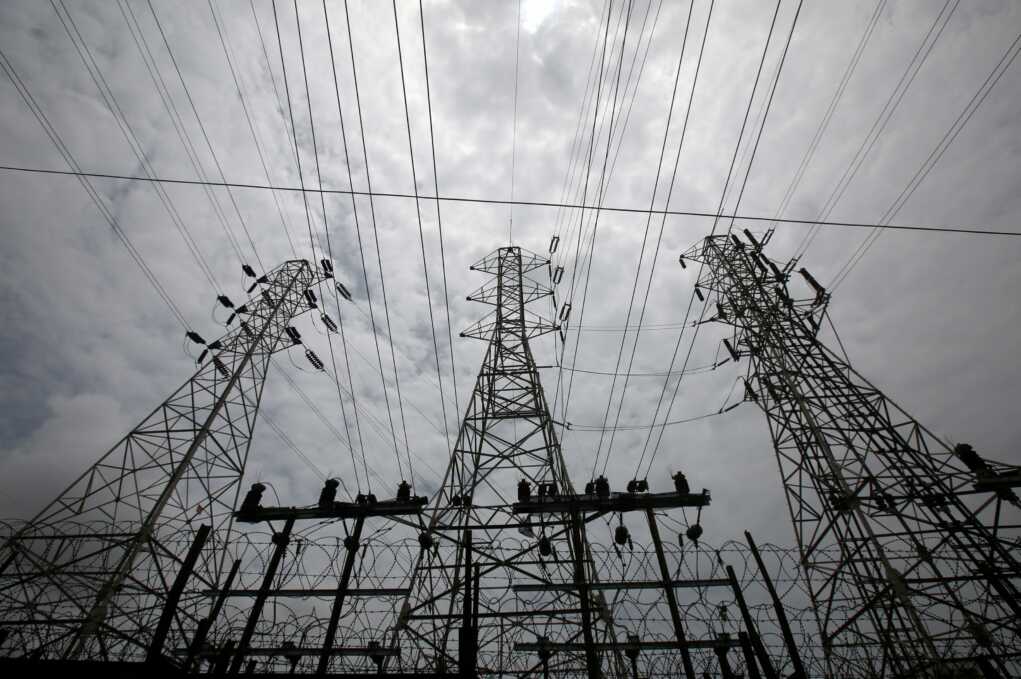
Iranian officials say recent strikes damaged about 7,000 megawatts of generation, or roughly seven percent of Iran’s installed capacity. Leaders in Tehran urged people to reduce electricity use as the summer heat strains a shaken grid. The claim tracks with wider reports of hits on plants, pipelines, and related assets during the conflict. Iran’s statement sets the tone at home, where outages and rationing fuel public anger and test the regime’s control of daily life.
Iran’s call for conservation comes as international reporting logs a steady pace of strikes against energy and transport nodes. Damage to turbines, substations, and gas processing sites can ripple through hospitals, water pumps, and industry. When generation falls, operators often cut power in rolling blocks to keep the system from collapsing. That is why a few destroyed units can lead to many dark neighborhoods. Tehran’s message signals that balancing the grid has become harder each day.
Scope Of Strikes On Energy And Military Targets
Energy and industrial sites across Iran have seen repeated attacks since late winter. The head of the International Energy Agency said more than 80 energy locations were assaulted after February 28, underscoring the scale of the campaign. The United States Central Command detailed precision strikes on Kharg Island, destroying over 90 Iranian military targets while preserving oil infrastructure, a sign of narrow target selection when possible to reduce global supply shock risk.
Earlier phases of the conflict included large U.S. strikes on nuclear-linked facilities, using bombers, submarines, and heavy ordnance to degrade high-value assets and slow weapons work. A later assessment suggested those nuclear strikes delayed, but did not erase, Iran’s program, which shows the limits of airpower against hardened or dispersed capabilities. Together, these actions form a broader effort to curb Iran’s ability to project force while pressuring regime logistics and command networks.
The Rise Of Energy Warfare And Civilian Impact
Experts describe a wider trend: modern conflicts now target power and fuel systems to sap an enemy’s will and capacity. Military institutes and humanitarian groups warn that taking down grids can harm civilians first, even when aimed at dual-use sites. Analysis of recent wars shows direct damage costs in the tens of billions and long rebuild times. Hardening big plants and adding redundancy are recurring lessons that many nations have not yet applied at scale.
🚨 US forces hitting Iranian infrastructure hard — power cuts, bridges down, supply lines severed, and key rail stations in flames. Watters calls it ‘Infrastructure Week in Iran’ as the blockade holds and Marines board runners. IRGC furious. Bigger strikes still coming. 🔥
Full…— Felix Lima Fernandes (@TheFelix123) July 17, 2026
For American readers, this pattern has clear stakes. Attacks on Iran’s grid can limit the regime’s drones, missiles, and proxy logistics. But every hit risks knock-on effects: price spikes at the pump, new shipping threats, and humanitarian strain that fuels fresh cycles of violence. The Trump administration has signaled resolve with deadlines, pauses, and calibrated target lists. The goal is simple: stop Iran’s aggression without triggering a wider energy shock that punishes U.S. families.
What Comes Next If Iran’s Grid Stays Strained
Iran will likely ration power more often if generators and substations remain offline. Blackouts can slow steel, chemicals, and defense output, squeezing the regime’s economy and war machine. They can also stir protests that Tehran will try to mute. For Washington, careful target vetting will remain vital. Preserving key oil flows while hitting military infrastructure narrows risks to global markets and to American wallets, even as it keeps pressure on the regime’s tools of war.
The facts on the ground may change fast, and reporting can lag during active operations. Still, the core picture is clear. Iran’s leaders are telling people to use less electricity after real damage to the grid. The scale of attacks on energy sites is large and documented. Energy warfare is not new, but it is growing. America’s challenge is to defend our interests, punish aggression, and protect families from higher prices and wider war, all at the same time.
Sources:
insiderpaper.com, bbc.com, cnbc.com, nytimes.com, youtube.com, facebook.com