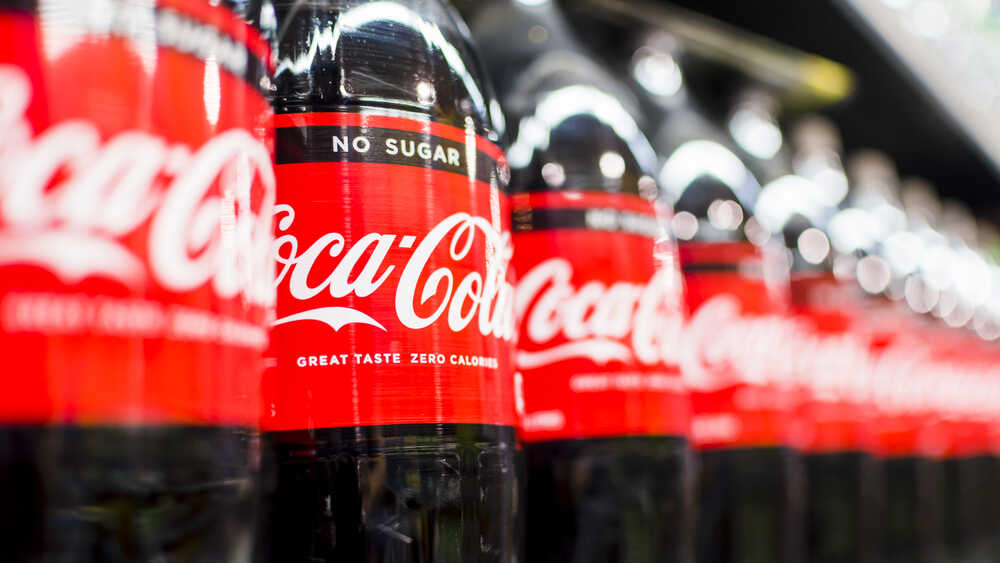
President Trump’s claim that Coca-Cola is set to switch from high-fructose corn syrup to cane sugar in its U.S. beverages has stirred up quite the controversy, yet the company remains tight-lipped on any such decision.
At a Glance
- President Trump announced Coca-Cola’s alleged agreement to use cane sugar in the U.S.
- Coca-Cola has neither confirmed nor denied the switch, defending their current use of HFCS.
- Corn industry groups oppose the change, fearing economic repercussions.
- Sugar producers see potential economic benefits if the switch occurs.
Trump’s Bold Announcement
President Donald Trump took to social media on July 16, 2025, proclaiming that Coca-Cola had agreed to replace High-Fructose Corn Syrup (HFCS) with cane sugar in its U.S. products. This announcement was touted as a step towards improving health and quality in beverages. However, Coca-Cola has not confirmed this shift, only appreciating Trump’s enthusiasm and teasing “innovative offerings” in the future.
President Donald Trump wrote on Truth Social that he had been in touch with Coca-Cola executives, who he wrote had agreed to produce the nation’s top-selling soft drink domestically using cane sugar, as it is done with Mexican Coca-Cola. https://t.co/5H37m7Ynho
— The Washington Post (@washingtonpost) July 17, 2025
This announcement has sparked significant reactions from different sectors, most notably the corn and sugar industries. The corn industry, heavily reliant on HFCS production, sees this as a potential threat to their market. On the other hand, sugar producers, particularly in cane-producing states like Louisiana and Florida, are hopeful for economic gains should the switch occur.
Watch: President Trump says Coca-Cola will use cane sugar in soda in United States
Economic and Political Ramifications
The United States is the largest producer of corn, making HFCS a crucial market for domestic corn farmers. With Trump advocating for the switch, there is a notable political push to influence food industry practices. This potential change places corn farmers in a precarious position, fearing reduced demand and lower prices. Meanwhile, cane sugar producers are eyeing a potential boom in demand and prices.
Coca-Cola, a giant in the beverage industry, faces significant operational challenges if a switch were to be implemented. The logistics of reengineering the supply chain for such a massive shift would be complex and costly. Despite consumer preference for cane sugar, as evidenced by the popularity of “Mexican Coke,” industry experts doubt a full-scale transition is feasible or imminent.
Consumer Preferences and Health Concerns
The debate over HFCS versus cane sugar is not new. Consumers have long expressed a preference for cane sugar, considering it more “natural” compared to HFCS. Nutritionists, however, find the metabolic differences between the two sweeteners negligible, though public perception continues to favor cane sugar.
Experts suggest that Coca-Cola might explore limited product launches featuring cane sugar rather than a complete overhaul of their formula. Such a strategy would allow the company to test market demand without disrupting their existing supply chain.