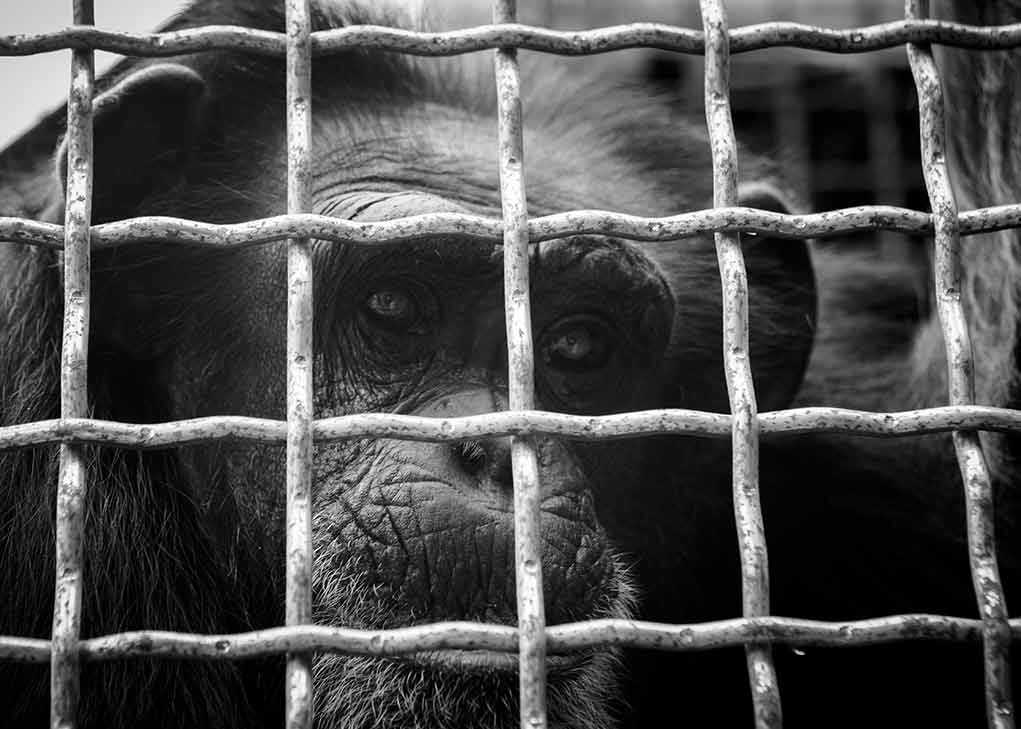
As wildfires rip through Borneo, Indonesian teams are airlifting endangered orangutans out of burning forests to keep them alive.
Story Snapshot
- Rescuers and officials moved multiple orangutans, including mothers with infants, away from active fires in Kalimantan.
- Authorities reported at least 15 rescues in a month, with more relocations underway as flames spread.
- Many apes were found on plantations after their forest access was cut off by fire and smoke.
- A recent analysis warned that fires scorched a large share of orangutan habitat this season.
Evacuations From Fire Lines in West and East Kalimantan
Indonesian conservation officers and wildlife groups rescued orangutans from fire-hit zones in West and East Kalimantan over recent weeks. Teams removed an orangutan from an active fire area for medical care and planned release after recovery, and reported several rescues tied to the same fire surge. Local authorities said six orangutans were saved from plantations after fires cut off their path back to forest habitat in North Kayong District. Officials also tracked and cared for 11 orangutans moved from a forest fire in East Kalimantan.
Rescuers working in West Kalimantan reported saving a mother orangutan and her infant as fires advanced. The operation involved the West Kalimantan Natural Resources Conservation Agency and the Yayasan Inisiasi Alam Rehabilitasi Indonesia foundation. Additional missions in the same province led to the capture and transfer of three more wildfire-affected orangutans for health checks and relocation to safer areas. Media tallies from Indonesia and international outlets placed total rescues at around 15 in a month as flames spread across rural parts of Borneo.
Why Orangutans Are Fleeing to Plantations and Villages
Fire, smoke, and lost food sources are pushing orangutans toward plantation edges and villages, where conflicts rise and rescues become urgent. Authorities said apes often appear in oil palm areas after routes to intact forest are blocked by flames and haze. A field report described animals moved to rehabilitation centers for treatment before release once stable. Conservation responders said dozens have needed relocation or care since midyear as teams pair fire suppression with wildlife transport and recovery.
Satellite-based and field analyses show a broader habitat crisis behind the rescues. One conservation review reported that about 60 percent of fire-affected land during the current season fell inside known Bornean orangutan habitat in Kalimantan, reflecting the scale of damage to key range. Newsrooms tracking the fire season echoed that figure, noting thousands of hotspots in August and heavy overlap with ape habitat. That overlap explains why rescue counts climbed and why more relocations may follow if dry conditions hold.
Health Checks, Rehab Plans, and Release Prospects
Veterinary teams are screening rescued apes for smoke exposure and injuries, then deciding whether to relocate or transfer them for longer care. In one documented case, staff moved a rescued orangutan to a rehabilitation center for treatment and planned release after recovery. In East Kalimantan, officials said 11 evacuated apes were under observation and care after a fire event and would be managed based on health status. Local teams in West Kalimantan reported several orangutans in stable condition after capture and initial exams.
REF: Leuser Ecosystem – the last place on Earth where Sumatran tigers, orangutans, elephants, and rhinos still coexist in the wild. It is a legally protected National Strategic Area, but large parts continue to be cleared and burned, for palm oil plantations.
The Indonesian Govt… pic.twitter.com/xk0pv9A4Yp
— Baba Ganoush on Toast (@PierreD6466) September 15, 2026
These steps mirror standard protocols for great apes at risk from fire and haze. Rescuers isolate animals from smoke, assess breathing, hydrate them, and restore calories. If an ape is strong and the forest nearby is safe, teams relocate within range. If the animal is weak or the area remains risky, they transfer it to a center for treatment and later release into suitable habitat. Officials and partner groups said this cycle has repeated across multiple rescue operations as fires spread.
The Bigger Picture: Preventing Another Rescue Surge
Reports tied many fires to dry peat and land clearing around plantations, which turn small burns into fast-moving blazes. That pattern narrows safe habitat and drives apes toward people, which raises danger for both. A recent roundup from international and Indonesian outlets showed rescue totals rising week by week as flames reached key ranges and plantations. Analysts warned that the share of affected habitat this season is large, meaning more animals may need help until rains return and hotspots drop.
Sources:
youtube.com, en.antaranews.com, france24.com, reuters.com, ifaw.org, en.tempo.co