

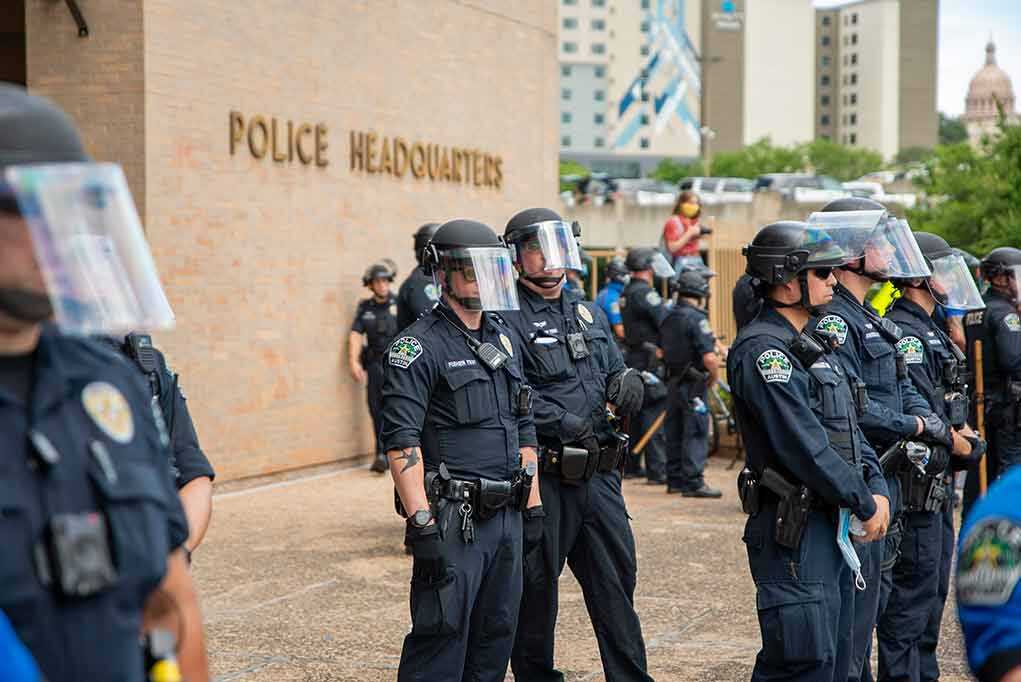
Seattle’s top police chief is under fire as three people were killed in separate shootings within four days, and he was reported to be out of town during part of the crisis.
Quick Take
- Seattle police said three people died in separate shootings within four days.
- Chief Shon Barnes urged residents to call 911 and share tips because investigators had no leads.
- FOX 13 Seattle reported that Barnes was out of town during the Seattle Center mass shooting response.
- Police said an acting chief was present, which gives the department a continuity-of-command defense.
Violence Put Seattle Leadership on the Defensive
Seattle police chief Shon Barnes faced intense scrutiny after a violent stretch that left three people dead in four days. Seattle Times reporting said Barnes asked the public for help, urged people to call 911 before conflicts turned deadly, and said detectives had “no leads” in the cases. That is the kind of statement city residents hear when crime has outrun normal police control, even if the investigation is still active.
The public remarks matter because they show the department was still trying to piece together what happened. Barnes did not deny the seriousness of the killings. Instead, he treated them as an active public-safety problem and asked witnesses to come forward. For conservatives who want basic order and visible accountability, that message cuts both ways. It shows engagement, but it also shows a city that is still asking the public to do police work.
Questions Grew Over Barnes’s Absence
FOX 13 Seattle reported that questions about Barnes’s location came up during the Seattle Center mass shooting response, and police said he was out of town while an acting chief was on duty. That detail fuels the criticism that the chief was not physically present when the city needed calm, visible leadership. It also explains why the story quickly turned from crime coverage into a leadership story. In a public crisis, optics matter almost as much as procedure.
At the same time, the reporting stops short of proving that Barnes’s absence caused any tactical failure. The available sources say an acting chief was present and that assistant chief Tyrone Davis handled public updates. They do not show delayed dispatch, missed orders, or a botched response tied to Barnes’s travel. That gap matters. Critics can fairly question the timing of his absence, but they cannot prove operational harm from the material provided.
What the Reporting Does and Does Not Prove
The strongest facts in the record are simple: Seattle had a deadly run of shootings, investigators had few leads, and the department asked the public for help. The weaker claim is that Barnes “hid out” in Chicago and abandoned the city. The sources provided do not include travel records, leave papers, or an official city explanation for his trip. One widely circulated claim about Chicago appears in a Reddit post, which is not enough by itself to settle the issue.
That leaves two separate questions. First, was Seattle facing a real and serious homicide problem? Yes. Second, did Barnes’s absence directly worsen the police response? The supplied reporting does not prove that. It does, however, show why many readers are frustrated. When leaders ask residents to stay calm, trust police, and wait for answers, they need to be visibly present and easy to trust. That is especially true when violent crime has already shaken the city.
Why the Controversy Keeps Growing
The broader problem is that public-safety debates often become battles over image. Supporters point to command continuity, active investigations, and the fact that police still had people on the ground. Critics point to a chief who was away while the city was coping with multiple killings. Both things can be true at once. Seattle can have an operating command structure and still leave citizens wondering why top leadership was not more visible during a deadly week.
The case also shows how hard it is for the public to judge police leadership without the basic records. The sources here do not include Barnes’s calendar, travel authorization, reimbursement papers, or incident-command logs. Without those documents, the debate stays partly about optics and partly about trust. For readers who are tired of excuses, that is the real frustration: the city admits the violence, but the public still does not get the full picture on who was where, and why.
Sources:
redstate.com, seattletimes.com, spdblotter.seattle.gov, npr.org