
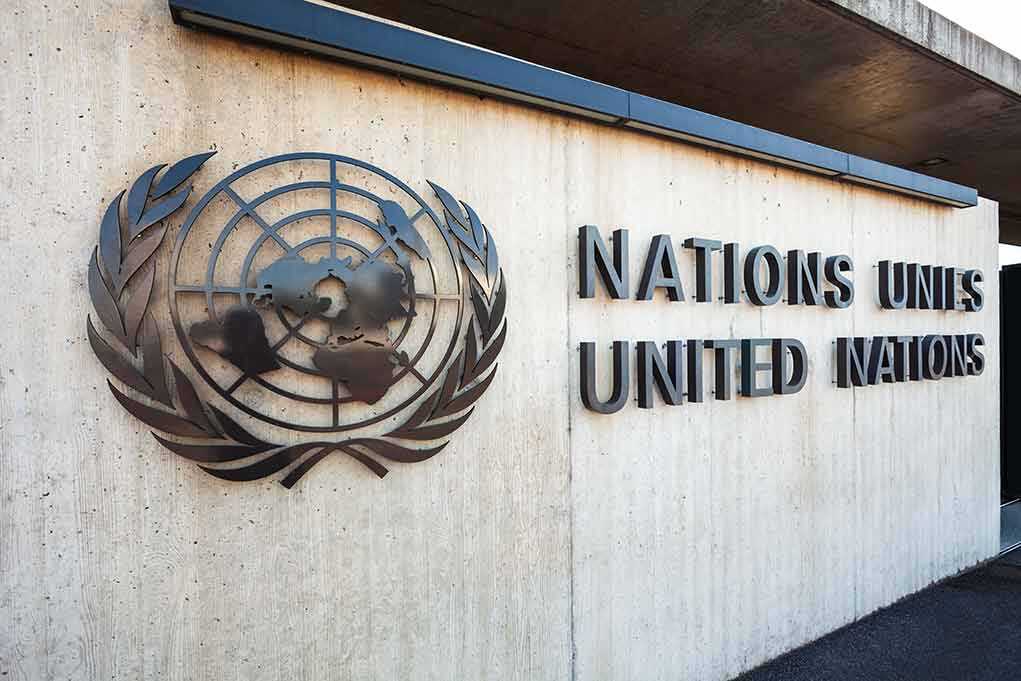
The United Nations’ own watchdog confirmed nine UNRWA staff “may have been involved” in the October 7 attacks, and they will be fired — a stunning breach of trust inside a taxpayer-backed agency.
Story Highlights
- United Nations investigators moved to terminate nine UNRWA staff tied to the October 7 assault.
- The United States Agency for International Development inspector general linked four more current or former staff to the attack or Hamas ties.
- Israel’s dossier alleged about 190 UNRWA employees were militants, including teachers and aid workers.
- UNRWA acknowledged major fallout and dismissed dozens in Gaza over security risks.
United Nations findings trigger firings and intensify scrutiny
United Nations leadership said its internal oversight office finished reviewing allegations against 19 United Nations Relief and Works Agency employees. Investigators found that nine staff “may have been involved” in the October 7 Hamas-led massacre in Israel. The Secretary-General said those employees will be terminated. The review reported no evidence in one case and insufficient evidence in nine others, but the firings underline real risk inside a sensitive aid agency trusted with vast donor funds.
The United States Agency for International Development’s Office of Inspector General said its ongoing probe uncovered evidence linking four additional current or former United Nations Relief and Works Agency staff to the October 7 attacks or to Hamas affiliation. The watchdog referred those cases for action. That American finding adds weight to concerns that the problem is not just a rumor or smear, but a concrete security failure with direct ties to terror activity.
Israeli dossier and broader claims point to systemic penetration
Reuters reported that Israel delivered a six-page intelligence dossier to allies. The document alleged roughly 190 United Nations Relief and Works Agency employees were operatives of Hamas or Palestinian Islamic Jihad. Reporters said the list included educators and staff whose identity cards and documents were seized during the war. While the underlying files remain classified, the claim pushed several donor governments to pause or review funding in early reporting cycles.
NBC News coverage of Israel’s brief said the allegations included direct participation in the October 7 rampage. The report described claims that six staffers crossed into Israel and that four aided kidnappings. Later Israeli statements raised the figure of implicated employees even higher. These assertions, if validated in court or by open files, would show not only sympathy for terror groups, but hands-on roles in murder and hostage-taking.
UNRWA actions and denials show a damaged, disputed picture
United Nations Relief and Works Agency officials insisted they asked for full evidence and did not receive it in some cases, limiting their ability to verify the broader claims. The United Nations review itself said nine cases lacked sufficient proof for involvement, and one had none. Still, the agency took visible steps, including firing 70 Gaza staff to reduce security risks for refugees under its care after the wave of accusations from Israel.
Advocacy groups pressed a different view. United Nations Watch published a database it says documents hundreds of employees engaged in extremism, incitement, or membership in terror groups. The group called the pattern “systemic.” These materials are not neutral investigations, and some entries lack independent verification. But they have shaped public debate and built pressure on donors to demand hard safeguards before restoring full funding.
What this means for U.S. taxpayers and security accountability
American readers now face a clear test of oversight. United Nations investigators moved to fire nine staff for possible role in the worst mass murder of Jews since the Holocaust, and a United States watchdog tied four more to the attack or Hamas. Those are concrete actions, not rumors. Donors deserve full transparency, strict vetting, and ironclad guarantees that no aid worker doubles as a militant or an apologist for terror on the public dime.
Next steps should be straightforward. First, secure controlled disclosure of the Israeli dossier so allied governments can verify names, roles, and evidence chains. Second, open the United Nations oversight files for the 19 reviewed employees to appropriate authorities, with witness and exhibit logs. Third, order an independent audit of United Nations Relief and Works Agency hiring, payroll, and discipline in Gaza. These are common-sense moves to protect civilians and ensure aid does not fuel violence.
Sources:
zerohedge.com, unrwa.org, unwatch.org, news.un.org, nbcnews.com, pbs.org, theconversation.com, cnn.com