New York City’s mayor has unveiled a sweeping $127 billion plan that slashes nearly 5,000 police positions while hiking taxes on the wealthy and corporations, all justified by a racial wealth gap he claims exceeds $180,000.
Story Snapshot
- Mayor Zohran Mamdani’s 375-page “Preliminary Racial Equity Plan” mandates city agencies evaluate policies through a racial equity lens, citing systemic racism for wealth disparities.
- Plan proposes cutting roughly 5,000 NYPD officer positions while raising corporate taxes to 11.5% and imposing a 2% flat tax on top earners making over $1 million annually.
- Median wealth gap between White households (over $200,000) and Black households (less than $20,000) drives agenda including free buses, city-owned grocery stores, and $30 minimum wage.
- Proposals face state approval hurdles as Governor Kathy Hochul opposes tax increases, while Trump administration pushes back against race-based DEI initiatives nationwide.
Mayor’s Ambitious Equity Agenda Targets Wealth Disparities
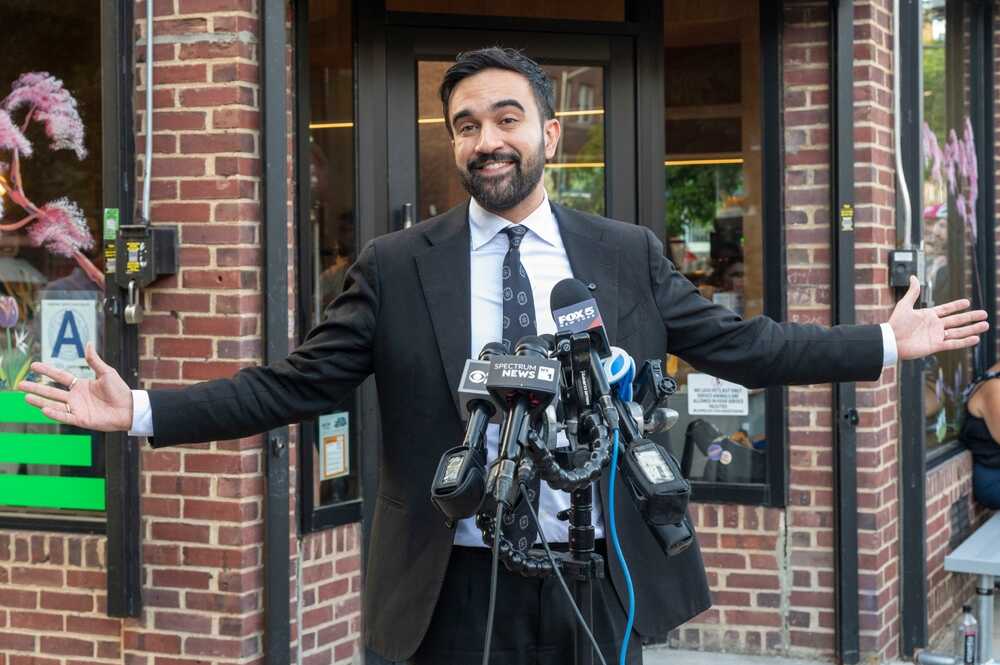
Mayor Zohran Mamdani released his Preliminary Racial Equity Plan last week, a 375-page document attributing the city’s massive racial wealth gap to centuries of colonization, slavery, and systemic policies. The plan identifies median wealth for White households exceeding $200,000 compared to less than $20,000 for Black households, a disparity of over $180,000. Mamdani defended the initiative at a Tuesday press conference, stating it indicts “policies and politics that have persisted for far too long,” not individual New Yorkers. The plan now enters a 30-day public comment period before agencies implement measures across seven areas including economy, housing, public safety, health, and infrastructure.
Police Cuts and Tax Hikes Fund Progressive Vision
The mayor’s agenda calls for eliminating approximately 5,000 NYPD officer positions while expanding diversity, equity, and inclusion programs throughout city government. To fund the $127 billion vision, Mamdani proposes raising corporate tax rates to match New Jersey’s 11.5 percent, projected to generate $5 billion in revenue, alongside a 2 percent flat tax on the city’s top 1 percent of earners making over $1 million annually. Additional progressive policies include free buses, city-owned grocery stores, rent freezes, and a minimum wage increase to $30 per hour within four years. These proposals require state legislative approval, creating significant political obstacles given Governor Hochul’s public opposition to tax increases.
Wall Street and Conservatives Sound Economic Alarms
The plan has rattled New York City’s financial sector and drawn immediate pushback from conservatives and the Trump administration, which has rolled back federal race-based initiatives since returning to power. Wall Street leaders worry that aggressive tax increases combined with rent controls could trigger an exodus of businesses and high earners from the city, undermining the revenue base needed to fund Mamdani’s ambitious programs. Critics argue that slashing 5,000 police positions amid ongoing public safety concerns prioritizes ideological goals over practical governance. The mayor’s office has not responded to requests for comment on these concerns, leaving questions about how the administration plans to balance progressive redistribution with maintaining the economic engine that funds city services.
State Gatekeepers Hold Veto Power Over Tax Proposals
Mamdani’s transformative agenda faces a crucial test in Albany, where state lawmakers retain final authority over local tax policy changes. Governor Hochul’s opposition to tax hikes presents a formidable barrier, potentially forcing the city to consider alternative revenue sources including a looming 9.5 percent property tax increase if corporate and income tax proposals fail. The political dynamics pit Mamdani’s local progressive mandate against state-level fiscal caution and federal DEI rollbacks. This tension reflects broader frustrations among Americans who see government officials focused more on political positioning than solving practical problems affecting everyday citizens trying to achieve financial stability through hard work and initiative.
Equity Framework Raises Questions About Government Priorities
Mamdani’s requirement that major city agencies evaluate all work through a racial equity lens represents the first such mandate in New York City history, raising concerns among those who question whether government should prioritize identity-based metrics over merit and results. Supporters view the framework as necessary accountability for historical injustices, while skeptics worry it entrenches the very divisive categorizations that prevent unity and economic mobility. The plan’s reliance on wealth gap statistics to justify sweeping policy changes illustrates a broader debate about whether government expansion and redistribution genuinely help struggling communities or simply expand bureaucratic power. As the 30-day comment period unfolds, New Yorkers across the political spectrum will determine whether this vision addresses their real concerns or represents another example of elites imposing ideological agendas disconnected from practical governance.
Sources:
NYC mayor cites $180K racial wealth gap to justify taxes, police cuts
New York City about to test Mamdani’s progressive economic vision